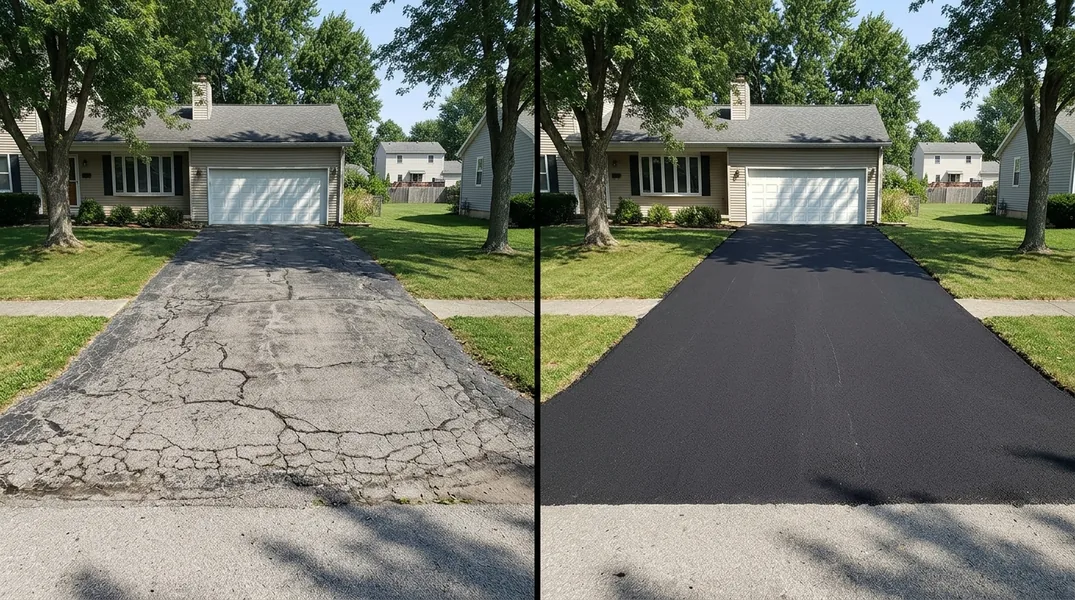
Understanding Asphalt Cracks: The First Step to Smart Decisions
Your driveway is one of the hardest working surfaces on your property. Every day, it endures weight, weather, and temperature swings that cause stress on the asphalt. Over time, this stress reveals itself through cracks. But not all cracks are created equal, and knowing the difference between a minor issue and a major problem is the first step toward protecting your investment.
In Springfield, our climate cycles through freeze-thaw conditions that accelerate crack formation. Water seeps into small openings, freezes, expands, and pushes the asphalt apart. This cycle repeats year after year, turning hairline fractures into serious structural damage. The good news is that catching cracks early gives you options. Understanding what you're looking at empowers you to make the right choice between Driveway Repair and a full replacement.
Linear Cracks vs. Alligator Cracks: What Your Driveway Is Telling You
Linear cracks are thin, straight lines that run across your driveway surface. These are often caused by thermal stress as asphalt expands and contracts with temperature changes. A single linear crack or a few scattered ones typically indicate that your driveway is aging but still structurally sound. These cracks can usually be sealed or filled without major intervention, making them far less expensive to address than deeper problems.
Alligator cracks, by contrast, look like a network of interconnected lines resembling the skin of an alligator. This pattern signals that the base layer beneath the asphalt is failing, or that the asphalt itself has reached the end of its functional life. When you see alligator cracking across a significant portion of your driveway, you're typically looking at a situation that calls for Asphalt Resurfacing & Overlay or complete replacement. Patching alligator cracks is like putting a bandage on a broken bone; it might buy you a little time, but the underlying problem persists.
Edge cracking, which occurs along the perimeter of your driveway, often points to poor drainage or a failing base. Potholes and spalling (flaking or chipping of the surface) are advanced stages of deterioration that require professional assessment. If you're uncertain about what you're seeing, Springfield Asphalt Paving can help. A visual inspection from our team takes the guesswork out of your decision.
When to Repair: Catching Small Problems Before They Grow
If you've noticed a few hairline cracks or small linear breaks in your driveway, repair is usually the right call. Pothole Repair & Asphalt Patching services can extend your driveway's life by several years when addressed promptly. The key is acting sooner rather than later. A crack that's a quarter-inch wide today can become a half-inch wide within a single winter season in Springfield's climate.
Repairing cracks involves cleaning out debris, applying a crack filler or sealant, and sometimes adding a patch material to restore the surface. This approach works best when the damage is isolated to the top layer of asphalt and the base remains intact. Once repairs are complete, you'll want to understand new asphalt driveway care to prevent future issues. Sealing your repaired driveway protects it from water penetration and UV damage, significantly extending its lifespan.
The cost of repair is substantially lower than replacement, making it an attractive option for budget-conscious homeowners. However, repair is only a viable solution if the underlying structure is sound. If the base has failed or if cracks cover more than 25 to 30 percent of your driveway's surface, repair becomes a temporary fix rather than a lasting solution.
When to Replace: Recognizing the Point of No Return
There comes a point in every driveway's life when repair stops being practical. If your driveway is 15 to 20 years old, showing widespread alligator cracking, has multiple potholes, or is sinking in spots, replacement is likely your best investment. Asphalt Driveway Paving & Installation gives you a fresh start with a properly constructed base, proper grading for drainage, and new asphalt that will serve you for another 15 to 20 years with proper maintenance.
Replacement also addresses issues that repair cannot fix. Poor drainage, a failing base layer, and structural settling all require new construction to resolve properly. While the upfront cost is higher, a new driveway eliminates the cycle of repeated small repairs that drain your budget over time. It also improves your home's curb appeal and resale value, making it an investment that pays dividends beyond just functionality.
After Asphalt Driveway Paving & Installation, understanding how long for asphalt to cure and how long before you can drive on new asphalt is critical. New asphalt typically needs 24 to 48 hours to cure enough for light vehicle traffic, though full curing takes 6 to 12 months. During this time, how often to seal driveway becomes important too. Most professionals recommend waiting until the asphalt has fully cured before applying a seal coat, usually 6 to 12 months after installation.
New Asphalt Driveway Care: Protecting Your Investment
Once you've invested in Asphalt Driveway Paving & Installation, proper maintenance is essential. New asphalt driveway care starts immediately after installation. Avoid parking heavy vehicles on fresh asphalt for the first week, and keep it clear of sharp objects that could puncture the surface. During the curing period, heat and humidity can affect how the asphalt sets, so timing your installation for mild weather is ideal.
After your driveway has fully cured, seal coating becomes your best defense against deterioration. How often to seal driveway depends on traffic and weather exposure, but most experts recommend every two to three years. A quality seal coat protects asphalt from UV rays, water infiltration, and oxidation, all of which cause the cracks and deterioration we've discussed. In Springfield's climate, seal coating every two years offers optimal protection. This relatively inexpensive preventive step can add five to ten years to your driveway's lifespan.
Beyond seal coating, keep your driveway clean and address spills promptly. Gasoline, oil, and other chemicals can soften asphalt. Fill small cracks as soon as you notice them, and ensure water drains away from your driveway rather than pooling on the surface. These simple maintenance habits, combined with regular seal coating, transform your driveway into a long-lasting asset.
Getting Professional Guidance: Know When to Call Springfield Asphalt Paving
The decision between repair and replacement isn't always straightforward. Variables like your driveway's age, the extent of damage, underlying structural conditions, and your budget all play a role. This is where professional expertise makes a difference. Springfield Asphalt Paving has served homeowners throughout the region, and our team can assess your specific situation and recommend the most cost-effective solution.
If you're uncertain about the condition of your driveway or you're ready to explore your options, we invite you to reach out for a free estimate. Call us at (937) 504-5371 to discuss your needs. Whether your driveway needs targeted repairs or a complete replacement, we'll provide honest guidance and quality workmanship. Your driveway is too important to leave to guesswork, and Springfield Asphalt Paving is here to help you make the right decision.
Looking for a professional asphalt paving contractor in Springfield? Springfield Asphalt Paving responds fast for all your asphalt paving needs.
Get a Free Quote